01
Collect and sort before washing.
Use laundry hampers to separate whites, darks, towels, delicate items, and activewear before laundry day begins. This reduces floor piles and makes the first step feel automatic.
A well-planned laundry room should do more than hold detergent and baskets. It should support sorting, washing, drying, folding, storing, and resetting with a clear sense of order. This guide helps you turn a busy utility space into a calmer, more efficient home system.
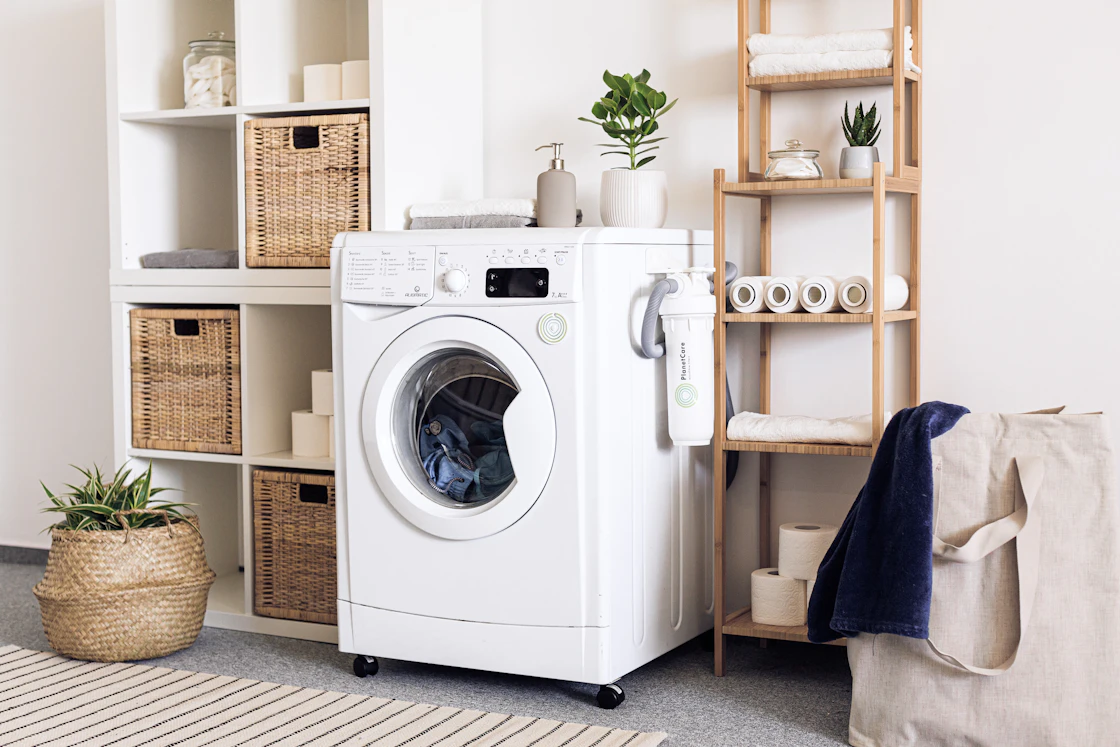
A refined laundry room begins with visible order, clear sorting points, easy-to-reach supplies, and storage that keeps daily tasks from spreading across the home.
A premium laundry room is not defined by size. It is defined by how smoothly each task moves to the next.
Even a small laundry closet can feel composed when the workflow is planned carefully. The best setup starts with honest observation: where clothes enter the space, where supplies are stored, where clean items land, and where overflow usually appears.
Instead of buying random baskets, begin with a structure. Laundry hampers manage sorting before wash day. Storage bins hold backstock, cleaning cloths, dryer balls, garment bags, and seasonal items. Drawer trays keep small tools, stain pens, lint rollers, clothespins, and measuring scoops from disappearing. Shelves and wall-mounted solutions protect counter space while keeping the room visually light.
The OrganNest approach is calm, practical, and easy to maintain. Every item should have a job, every zone should be readable, and every storage choice should reduce friction during real household routines.
A polished laundry room works because every action has a natural place. Use this four-step sequence to prevent piles, surface clutter, and repeated searching.
Use laundry hampers to separate whites, darks, towels, delicate items, and activewear before laundry day begins. This reduces floor piles and makes the first step feel automatic.
Keep daily-use detergent, softener, stain remover, and dryer sheets within easy reach. Move duplicate bottles, refills, and occasional tools into labeled storage bins.
A clear folding area keeps clean laundry from migrating to beds, chairs, and dining tables. Use trays or low bins nearby for socks, small linens, and garment care items.
Return supplies, empty lint, relocate clean clothes, and clear the surface. A two-minute reset protects the system and keeps the room calm between laundry cycles.
Dividing the laundry room into zones helps every product support a specific task. The room becomes easier to read, easier to clean, and easier to maintain even during busy weeks.
Place laundry hampers where clothes naturally enter the space. Choose divided styles for family sorting or multiple compact hampers for tighter rooms.
Group detergent, stain treatment, mesh bags, and dryer essentials together. Use a tray or shallow bin so bottles do not spread across the washer top.
Reserve higher shelves or lower bins for extra paper goods, refill containers, cleaning cloths, and household utility supplies that do not need daily access.
Protect one clean surface for folding, pairing socks, removing lint, and treating garments. Small drawer trays help finishing tools stay neat and visible.
Create a final landing spot for clean items that need to leave the room. This prevents finished laundry from becoming a new pile.

Use containers, baskets, and trays to make supplies easy to find while keeping the overall room visually quiet and composed.
The strongest laundry room setup combines a few focused storage pieces rather than too many decorative containers. Select each item for a specific task, then leave breathing room around it.
Use hampers for everyday collection, family separation, and pre-sorting by fabric type. A divided hamper can replace several loose piles and instantly improve room flow.
Bins are ideal for refill products, cleaning cloths, dryer balls, seasonal linens, pet towels, and household overflow. Labels work best when they name the task, not just the object.
Use trays for stain pens, lint rollers, sewing kits, mesh bag clips, clothespins, measuring scoops, and garment care accessories that often become scattered.
Storage bags help move extra bedding, out-of-season garments, guest linens, and delicate textiles out of the active laundry zone while keeping them clean and contained.
A small hanger station makes air-drying easier and helps reduce wrinkling. Keep only the amount needed for current laundry routines to avoid visual crowding.
For laundry rooms connected to garages, mudrooms, or side entries, a compact shoe rack keeps outdoor shoes, slippers, and cleaning footwear off the floor.
Put detergent, stain remover, and dryer items back into their assigned tray or bin. This small habit keeps machine tops and folding surfaces from becoming storage shelves.
Remove packaging waste and check whether any supply is running low. A weekly edit keeps the room functional without a major cleanout.
If a basket, bin, or tray stays empty or becomes a catchall, change its purpose. Organization should follow real behavior, not force the room into a rigid setup.
Rotate blankets, guest linens, beach towels, winter accessories, and seasonal clothing into labeled storage bags or bins so active laundry supplies remain accessible.
A beautiful laundry setup should fit your real space. Use this checklist before choosing hampers, bins, trays, or storage accessories.
Check shelf depth, cabinet height, wall clearance, and space above the washer or dryer before adding bins or baskets.
Make sure hampers, racks, and bins do not block machine doors, cabinet doors, walkway space, or utility access.
Keep only current-use products in the active zone. Move duplicate bottles and refills into labeled storage bins.
A folding surface is more valuable than extra display space. Protect it from becoming a permanent landing zone.
Labels such as “Stain Care,” “Dryer Items,” “Towels,” and “Backstock” are easier to maintain than overly broad categories.
Use a final basket or shelf for items leaving the room so clean laundry does not sit indefinitely on appliances.
Start with vertical storage and narrow sorting solutions. Use one compact hamper, one tray for daily supplies, and a small bin for refills. Keep the floor as open as possible so the closet remains easy to access.
Only items used during the current laundry routine should stay there. A small tray can hold detergent, stain remover, and dryer essentials, but the surface should remain easy to wipe and clear after each load.
Labels are helpful when more than one person uses the space or when multiple categories look similar. They are especially useful for backstock, towels, cleaning cloths, stain care, dryer items, and seasonal textiles.
The right number depends on sorting habits. A single person may need one or two hampers, while a family may benefit from divided hampers for whites, darks, towels, delicates, or activewear.
Use fewer visible items, consistent containers, clear zones, warm neutral tones, and one protected folding surface. Premium organization comes from restraint, not from filling every shelf.
OrganNest provides 24/7 customer support for product questions, order help, and home organization guidance. You can contact support through the contact page when you need assistance.
With thoughtful hampers, storage bins, drawer trays, storage bags, and a clear room workflow, the laundry area can become a composed utility space that supports the entire home.